
The New Path for Social Development
In today’s rapidly changing world, social development cannot be achieved by isolated efforts. Whether the issue is education, health, women’s empowerment, environment, or the unorganised sector—no single organisation or group can address these challenges alone. India’s social landscape is diverse and complex, requiring collective strength, shared resources, and unified action.
This is where integration, unity, and collaboration among NGOs, civil society, and community groups become not just valuable, but essential. A connected network of organisations can create larger impact, avoid duplication of efforts, and reach the most vulnerable sections of society effectively.
Why Integration Is the Need of the Hour
India has more than three million NGOs, each working on different issues. But many of them work in silos, leading to:
- Overlapping efforts
- Limited outreach
- Resource wastage
- Lack of data-sharing
- Weak influence on policy
When these organisations come together, their collective strength becomes a transformative force.
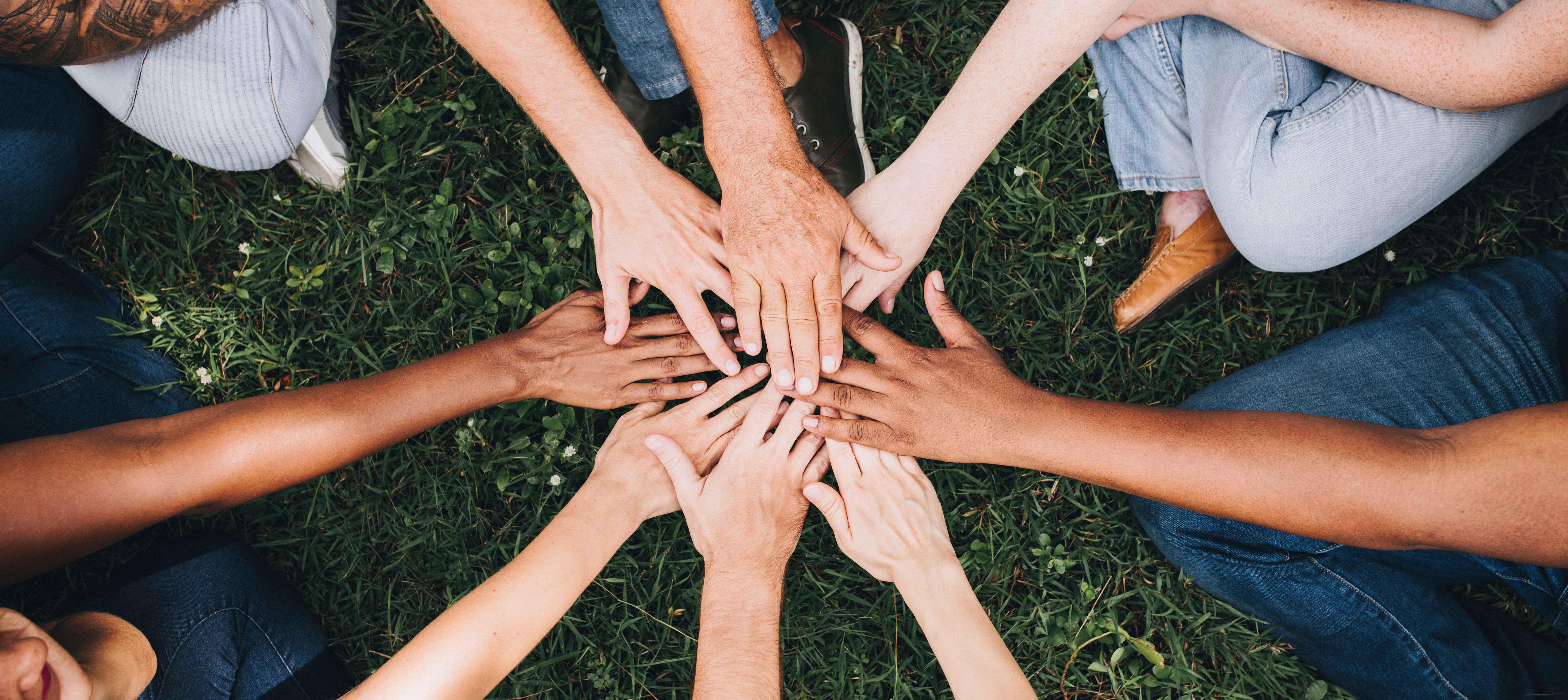
Just like multiple streams forming a river, integration builds power, unity creates direction, and collaboration delivers impact.
The Power of Unity: When NGOs and Society Come Together
A unified approach benefits every layer of society:
1. Better Resource Utilisation
Collaboration helps NGOs share:
- Funds
- Volunteers
- Expertise
- Technology
- Infrastructure
This reduces operational costs and increases project efficiency.
2. Wider Reach and Accessibility
A single NGO may reach one community,
but a unified network can reach:
- Villages
- Urban slums
- Remote regions
- Vulnerable populations
No community remains left behind.
3. Shared Knowledge and Data
Collective research and consistent data help:
- Identify real problems
- Track progress
- Improve strategies
- Avoid repetition
Knowledge becomes a shared asset, not a restricted tool.
4. Policy Advocacy and Government Engagement
A united voice is stronger than scattered voices.
Together, NGOs can push for:
- Better laws
- Stronger welfare schemes
- Greater accountability
- Transparency in governance
This is how real, long-term change happens.
5. Community Participation
When society participates:
- Solutions become sustainable
- People gain ownership
- Local leaders emerge
- Social awareness increases
Development becomes of the people, by the people, for the people.
Forms of Integration and Collaboration
NGOs and social groups can collaborate in multiple ways:
1. Joint Projects
Two or more NGOs combine their strengths for:
- Education programs
- Health camps
- Women empowerment initiatives
- Environmental campaigns
2. Resource Sharing
Sharing:
- Offices
- Volunteers
- Training centers
- Transport
- Technology platforms
This creates a powerful ecosystem.
3. Capacity Building
Workshops, leadership programs, and skill trainings help:
- Smaller organisations grow
- Volunteers learn
- Community members become change-makers
4. Digital Integration
Technology can unite NGOs through:
- Online networks
- Data-sharing platforms
- Common volunteer portals
- Collaboration dashboards
Digital collaboration breaks geographic boundaries.
5. Grassroots Partnerships
Local community groups are the backbone of fieldwork.
Partnership with:
- Self-help groups
- Youth clubs
- Women collectives
- Local leaders
ensures deeper and more meaningful impact.
The Role of Society in Strengthening Collaboration
Society is not just a beneficiary—it is a partner in development.
Society contributes through:
- Volunteering
- Donations
- Local knowledge
- Community mobilisation
- Monitoring and accountability
Development becomes stronger when citizens participate actively.
Barriers to Integration (and How to Overcome Them)
Despite the benefits, several challenges exist:
- Lack of coordination
- Competition for funds
- Insecurity about sharing data
- Limited communication
- Different operating styles
These can be overcome by:
- Building trust
- Transparent communication
- Formal collaboration agreements
- Leadership training
- Shared goals and vision
Unity requires intention, not just infrastructure.
A Path for Holistic Social Development
To ensure sustainable development, NGOs, society, and institutions must work on:
- Inclusive education
- Accessible healthcare
- Women empowerment
- Environmental sustainability
- Economic opportunities for the unorganised sector
- Child protection
- Digital literacy
- Clean water and sanitation
Integration helps ensure that no group is left behind.
Collaboration: A Development Path for All
Integrated efforts create:
✔ Stronger communities
✔ Skilled citizens
✔ Healthier families
✔ Safer environments
✔ Empowered women
✔ Educated children
✔ Better livelihoods
When everyone collaborates, development becomes shared, inclusive, and sustainable.
Conclusion: Together, We Build the Future
The challenges we face today are too large for one organisation or one sector to solve.
Integration and collaboration are not optional—they are the foundation of meaningful social change.
When NGOs unite, when society participates, and when groups work with shared purpose, they do more than complete projects—they build a better, fairer future for all.
Unity multiplies impact.
Collaboration creates solutions.
Integration builds a nation.