
The Unfinished Struggle for Human Dignity
Across the world—whether in developing nations or global powers—humanity continues to struggle with injustice, discrimination, and inequality. These are not isolated incidents but systemic issues woven into the political, economic, and social structures of societies.
They affect individuals, families, communities, and entire nations. They deny people dignity, restrict opportunity, and block progress. Despite global declarations, constitutions, and rights movements, the fight against injustice remains one of the most urgent challenges of our time.
This article explores the roots, forms, and impact of these issues, and emphasizes the need for collective action to build a fair and equal world.
What Is Injustice?
Injustice is the denial of fairness, rights, and equal treatment.
It occurs when:
- Laws fail
- Systems discriminate
- Authorities misuse power
- Voices go unheard
- People are denied what they deserve
Injustice is not always visible. Sometimes it is legal, yet unethical; accepted by society, yet harmful.
Examples include:
- Exploitation of workers
- Biased justice systems
- Caste-based and racial violence
- Unequal wages
- Political or social oppression
- Gender-based crimes
- Child labour
- Unfair access to healthcare and education
Injustice weakens democracy, fuels conflict, and denies people their basic human dignity.
Understanding Discrimination
Discrimination is the unfair treatment of individuals or groups based on identity, such as:
- Gender
- Caste
- Race
- Religion
- Disability
- Economic status
- Language
- Culture
- Nationality
- Sexual orientation
It begins with bias, grows through stereotypes, and becomes dangerous when normalised by society.
Common Forms of Discrimination
1. Gender Discrimination
Women and girls face violence, unequal pay, limited opportunities, and societal restrictions.
Even in modern societies, glass ceilings and patriarchal thinking restrict their growth.
2. Caste and Ethnic Discrimination
Dalits, indigenous groups, migrants, and minorities often face systemic exclusion.
3. Racial Discrimination
Globally, people face prejudice based on skin color, ethnicity, and origin—affecting jobs, safety, and dignity.
4. Disability-Based Discrimination
People with disabilities struggle for:
- accessibility
- employment
- education
- representation
5. Economic Discrimination
The poor often receive:
- inferior healthcare
- weaker education
- limited social respect
- unsafe living conditions
Discrimination divides society and denies millions the right to live with equality and respect.
What Is Inequality?
Inequality is the unequal distribution of opportunities, resources, and power.
It creates an environment where:
- A few have too much
- Many have too little
- Some have access
- Others remain excluded
Inequality is visible in:
- Wealth and income
- Education levels
- Healthcare access
- Gender roles
- Urban vs rural facilities
- Employment opportunities
- Social and political participation
The world’s richest 1% own more than the bottom 50%.
This gap widens every year, deepening frustration and weakening social harmony.
How These Problems Reinforce Each Other
Injustice, discrimination, and inequality are connected.
One leads to another:
- Discrimination creates inequality
- Inequality leads to injustice
- Injustice strengthens discrimination
This creates a cycle that traps generations.
For example:
- Women denied education face lifelong inequality
- Poor families denied healthcare remain in poverty
- Caste discrimination reduces job opportunities, leading to injustice
- Disabled individuals face barriers that deepen inequality
Without intervention, the cycle continues.
Impact on Society
1. Economic Loss
Countries with inequality experience:
- lower productivity
- weaker human capital
- less innovation
When half the population is held back (like women), nations lose millions of potential workers, leaders, and thinkers.
2. Social Tensions
Discrimination fuels:
- anger
- mistrust
- conflict
- unrest
A divided society cannot progress.
3. Loss of Human Potential
Millions of children, women, and youth grow up in environments that limit their dreams.
When society fails them, humanity loses talent, creativity, and potential.
4. Weakening of Democracy
If justice does not reach everyone:
- people lose faith in institutions
- voices go unheard
- corruption thrives
True democracy survives only where equality exists.
Why These Issues Still Persist
Despite laws and awareness, injustice continues because of:
✔ Deep-rooted social prejudices
✔ Unequal distribution of wealth
✔ Weak implementation of laws
✔ Silence of society
✔ Political indifference
✔ Lack of awareness
✔ Normalisation of discrimination
Change requires both systemic reforms and social mindset shifts.
The Path Forward: What We Must Do
To build a just society, we must take collective action.
1. Strengthen Education
Education must:
- teach equality
- challenge stereotypes
- promote critical thinking
Awareness is the first step to transformation.
2. Reform Systems
Justice systems, police, schools, and workplaces must:
- enforce anti-discrimination laws
- ensure transparent procedures
- protect victims
- punish offenders without bias
3. Economic Inclusion
Support the marginalised through:
- skill programs
- employment opportunities
- fair wages
- social security
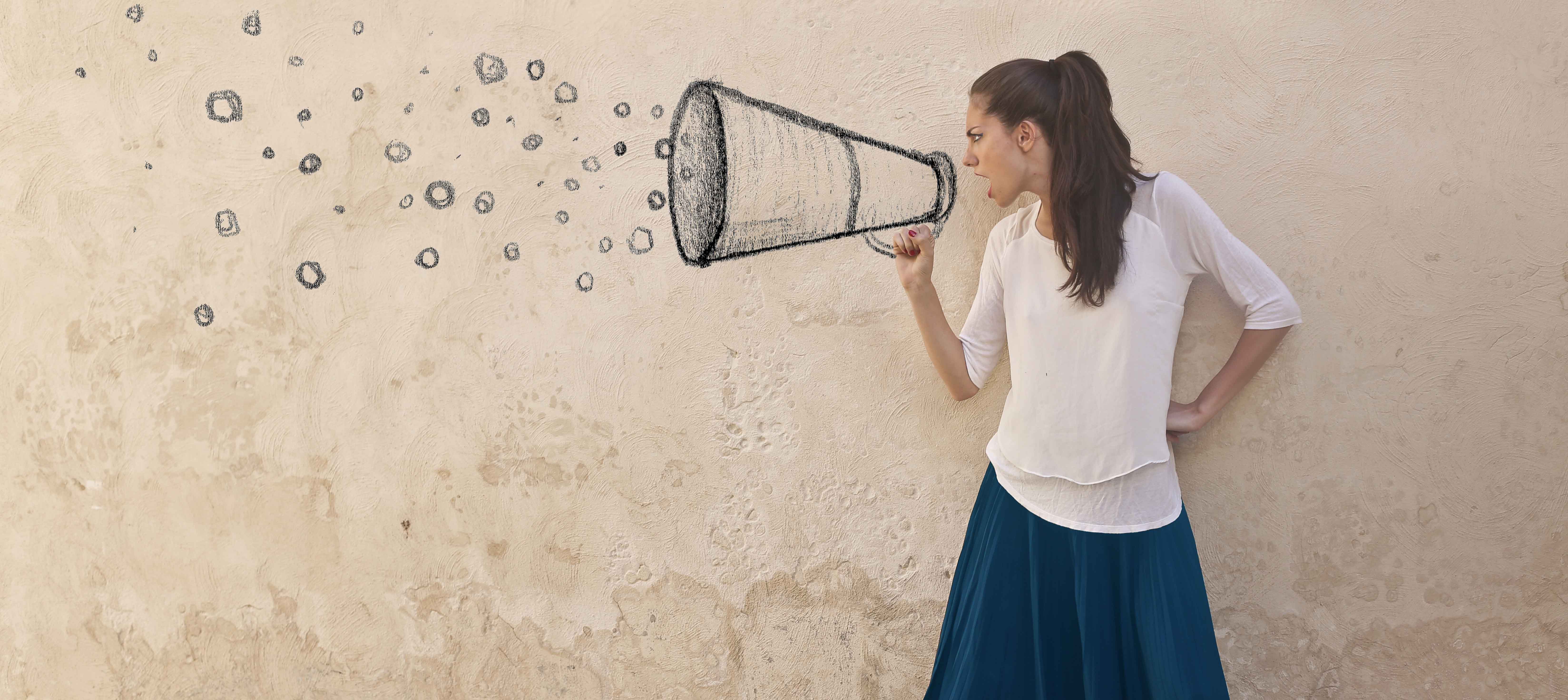
4. Amplify Voices
Marginalised groups must have:
- representation
- media space
- political participation
- community leadership roles
When the unheard speak, change becomes real.
5. Role of NGOs, Civil Society & Forums like PVF
Organisations must:
- advocate for rights
- run awareness campaigns
- support victims
- work on policy reforms
- bridge communities
- create platforms for dialogue
Platforms like People Voice Forum (PVF) play a crucial role in breaking silence, uniting people, and demanding justice.
Conclusion: A World Where Everyone Matters
Injustice, discrimination, and inequality are not only political or social problems—they are failures of humanity.
A fair world is not one where a few succeed, but where everyone has the opportunity to rise.
A just society is not built by laws alone, but by compassion, awareness, and collective responsibility.
Equality is not a dream; it is a right.
The future depends on our ability to recognise injustice, reject discrimination, and fight inequality wherever it exists.
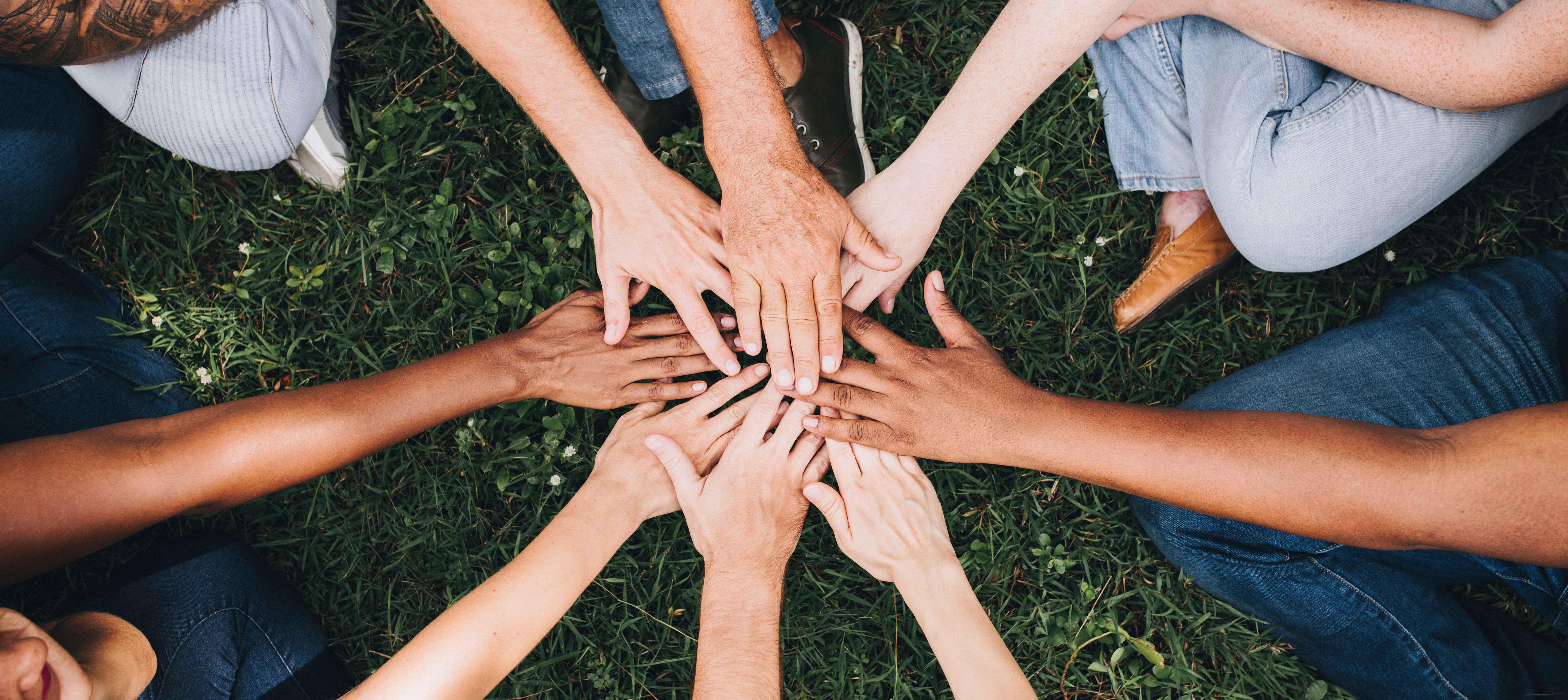
Only then can we build a world where every human stands with dignity, and no one is left behind.