
Bridging the Gaps in India’s Healthcare System
Health is the foundation of human dignity, productivity, and well-being. It is not a luxury for a few but a fundamental right for every human being, regardless of their social, economic, or geographic background. In a diverse nation like India, ensuring good health for all is both a moral duty and a constitutional commitment. Yet millions still struggle without access to basic healthcare, suffer due to high treatment costs, and face the consequences of an overstretched and unequal health system.
Health as a Fundamental Right
The right to health includes:
✔ Access to affordable and quality medical services
✔ Availability of doctors, medicines, and diagnostics
✔ Safe drinking water, sanitation, and a healthy environment
✔ Education and awareness to prevent diseases
✔ Dignity and equality in receiving care
When any of these are missing, the right to health remains incomplete.
The Harsh Reality: High Cost of Treatment
India’s healthcare system is among the most expensive for poor families. Nearly 60–65% of medical expenses are paid out of pocket, pushing millions into poverty every year.
Major financial burdens include:
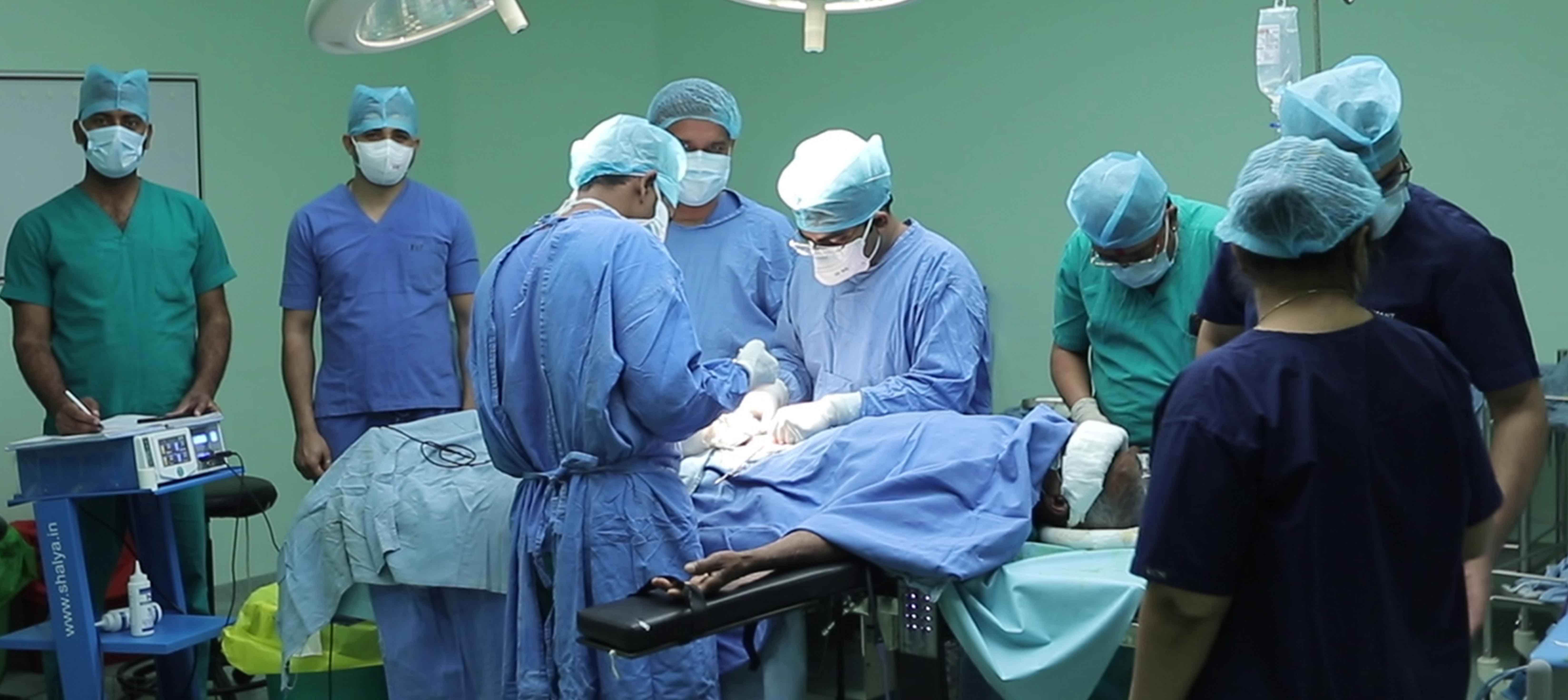
- High cost of private hospital treatment
- Expensive medicines and diagnostic tests
- Emergency care charges
- Long-term treatment for chronic diseases (diabetes, heart disease, cancer, etc.)
- Lack of medical insurance for unorganised workers
For families living on daily wages, even one illness can destroy years of savings.
When treatment becomes unaffordable, people delay care—leading to complications that could have been prevented.
Limited Mechanisms in Public Healthcare
Public healthcare in India plays a vital role, but it faces serious limitations:
1. Shortage of doctors and specialists
Rural areas suffer the most—many villages have no doctors, nurses, or laboratory facilities.
2. Insufficient infrastructure
Government hospitals often lack beds, equipment, medicines, and diagnostic support.
3. Overburdened systems
Large patient loads reduce the time doctors can spend with each person.
4. Geographic inequality
Urban centres have advanced hospitals, while remote areas struggle with basic services.
5. Lack of health awareness
People do not know symptoms, prevention methods, or when to seek treatment.
These gaps create a cycle where the poor remain unhealthy, unheard, and unprotected.
Prevention Is Better Than Cure
In a system where treatment is costly and facilities are limited, prevention becomes even more essential.
Preventive healthcare includes:
- Regular check-ups
- Awareness about hygiene and nutrition
- Vaccination
- Early diagnosis of diseases
- Mental health support
- Eliminating stigma around illness
Awareness is the strongest tool to reduce disease burden and improve community health.
How People Voice Forum (PVF) Supports the Right to Health
PVF believes “Good health is a right for all—not a privilege for few.”
PVF works to:
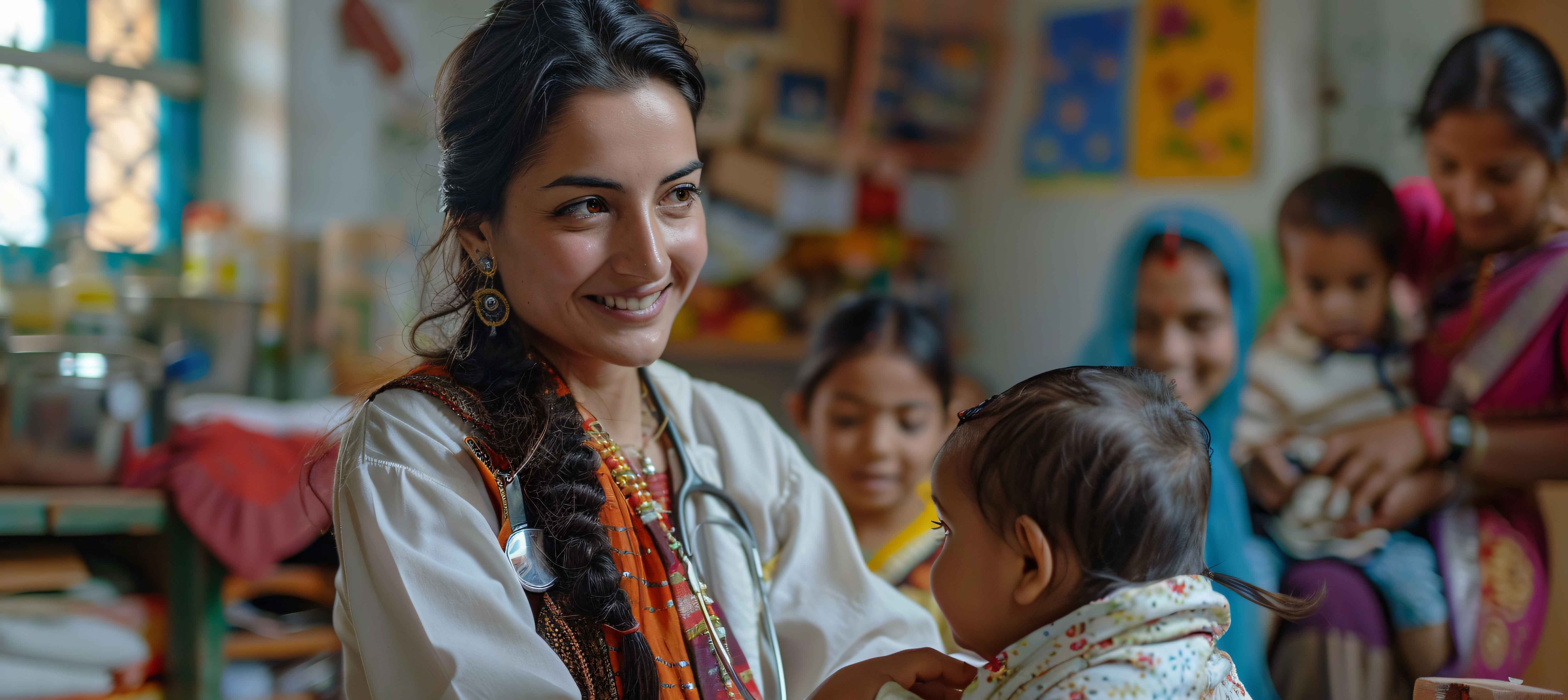
- Conduct health awareness drives in underserved communities
- Organise free medical camps with doctors and screening facilities
- Promote preventive healthcare and early diagnosis
- Educate families about nutrition, hygiene, and women’s health
- Raise awareness about government schemes like Ayushman Bharat
- Support the unorganised sector through health counselling
- Advocate for affordable healthcare and improved mechanisms
PVF gives voice to those who silently suffer due to poverty, high medical costs, or lack of access.
Building a Healthier Future: What India Needs
To ensure good health for all, India must focus on:
✔ Strengthening primary health centres
✔ Ensuring availability of doctors in rural and urban-poor areas
✔ Reducing medicine and treatment costs
✔ Improving emergency and ambulance services
✔ Promoting digital health services
✔ Expanding insurance coverage for unorganised workers
✔ Ensuring preventive health education in every community
When these mechanisms improve, millions of lives will transform.
Conclusion
Good health is not just the absence of disease—it is a state of dignity, security, and opportunity.
A healthy community learns better, works better, and lives better.
When healthcare is affordable, accessible, and equitable, a nation becomes stronger.
The right to health belongs to everyone. It is time we ensure it reaches everyone.